
When it comes to what you are feeding your family this is an easy fix. When purchasing fish or seafood ALWAYS choose wild, NEVER farmed. It doesn’t sound like a big deal because honestly when you are choosing fish at the grocery store most options are in fact farmed. The most obvious way to tell is by the little sign which lists the price per pound, where the fish originated from, and whether is was farm raised or wild caught. The other way to tell is by color. You can’t really tell the color difference when looking at shrimp but look at the salmon. Farmed raised salmon is very pale in color with large white stripes of fat. The wild caught is typically a vibrant red. The color difference is due to the fish’s diet. I will go into detail as to what farming versus wild entails but for me the color differences in salmon speaks volumes. I know I am hitting hard on salmon but this is the general idea for any farmed fish or seafood.
I will start by saying most people should add more fish to their diet. Fish are high in protein, low in calories. Fish are also an excellent source of omega-3 fatty acids, which have been found to decrease the risk of heart disease and strokes. The above statement is true only when consuming wild caught.
What are farmed fish?

Farmed fish are pretty much what you initially think. They are fish raised by man. They are raised, cared for, and fed by man. They are either in an open pen in the ocean or an enclosed pond. The dangers of raising fish in an enclosed area, combined with being fed their unnatural diets, means disease spreads quickly. Also because farmed fish are mostly raised in open pens in the ocean, pathogens can spread like wildfire and easily contaminate wild fish swimming past. Since farmed fish are prone to disease they are fed large quantities of anti-biotics. Farmed fish are also fed pesticides to combat sea lice. See where I’m going with this? It isn’t pretty…
7 Dangers of Farmed Fish
- Antibiotics – used to combat disease due to crowded conditions
- Pesticides – used to combat sea lice
- Dibutyltin – found in PVC plastics and may be contributing to allergies, asthma, and immune disorders. It was also found to be 6 times higher in farmed raised mussels than wild
- Polybrominated Diphenyl – (PBDE) chemicals used as a flame retardants, have been found in high levels of farmed raised fish due to it being used in the fish feed. Scientists believe that PBDE’s are endocrine disruptors that are thought to contribute to cancer
- Dioxins – Another study at the Univ of NY at Albany found dioxin levels of farmed raised salmon were 11 times higher than wild caught. Dioxins impair the endocrine, immune, nervous and reproductive systems and are carcinogens
- Canthaxanthin – a synthetic pigment used to add pink color to farm-raised salmon. Wild salmon get their color naturally by feeding on krill. Canthaxanthin can affect pigments in the retina of the eye, leading to a ban of its used in the UK – but not in the U.S.
- Harmful to Environment – Basically are “floating pig farms” which drop tremendous amounts of fish feed and fish waste on the seafloor creating a perfect breeding ground for bacteria that threaten other sea life. The farming process also contributes to overfishing of wild sardines, anchovies, mackerel, and herring which are used in making chow, fish feed.
I know I spoke mostly of farm raised salmon but most fish or seafood are farmed the same way or use similar techniques. This is true for shrimp, mussels, oysters, salmon, and the biggest one is TILAPIA. Tilapia is always farmed and I recommend never eating it. 96% of Tilapia comes directly from China. I don’t know about you but for me and my family, NO THANK YOU!
Benefits of Wild Caught
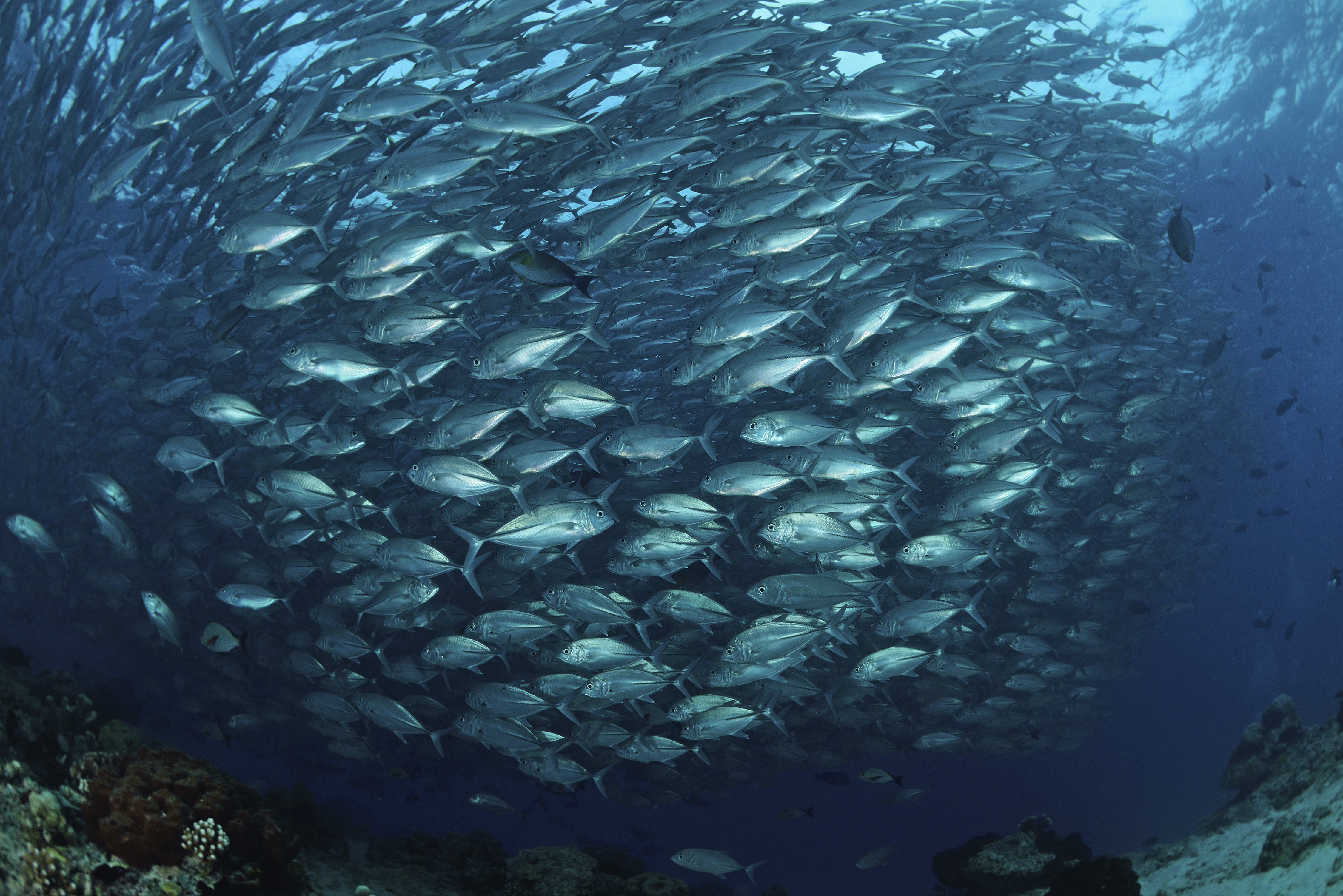
- Wild – meaning the fish and/or seafood is raised in their own natural environment and isn’t purposely fed antibiotics, pesticides, or harmful chemicals by man
- Healthier – wild seafood and fish have more nutrients, protein, omega-3 fatty acids, and cold water wild salmon has more Vitamin D
- Better for the Environment – there is always some harm to the environment but much less than farming. For that reason I wouldn’t eat fish every day but when you do, always choose wild
Resources
- https://draxe.com/the-dangers-of-farmed-fish/
- https://healyeatsreal.com/farmed-salmon-dangers/
- https://articles.mercola.com/sites/articles/archive/2013/12/21/9-farmed-fish-facts.aspx


 Passionately Holistic
Leave a comment